

『Electromagnetic Flow Meter Parts Diagram: Liners, Electrodes, and Coils』Related information(v cone flow meter|rotary gas meter|gallon meter|gear meter|metal tube rotameter|glass tube rotameter|nutating disk meter|transit time ultrasonic flow meter|wedge flow meter|pd meters|hydraulic flow meter|ultrasonic water flow meter|water flow meter|air flow meter|magnetic water flow meter|oxygen flow meter|gas flow meter|argon flow meter|air velocity meter|gasoline flow meter|fuel flow meter|ultrasonic water meter|digital water meter|nitrogen flow meter|solid flow meter|Oxygen tank flow meter|digital water flow meter|diesel fuel flow meter|steam flow meter|02 flow meter|compressed air flow meter|oil flow meter|liquid flow meter)

Electromagnetic Flow Meter Parts Diagram: Liners, Electrodes, and Coils
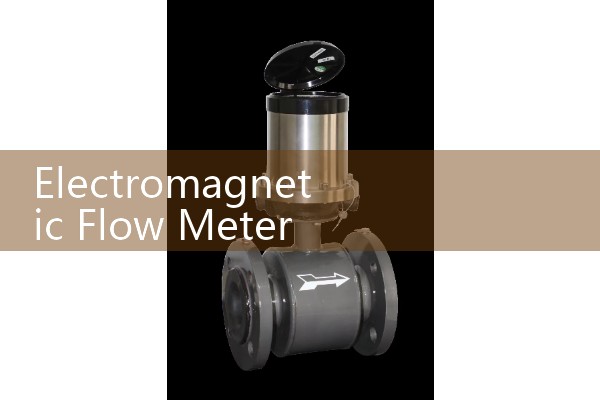
Quick Answer: Electromagnetic flow meters have three main parts in the sensor: liner, electrodes, and coils. The liner protects the body, the electrodes pick up the signal, and the coils create the magnetic field. Liner and electrode material selection decides chemical resistance, pressure limit, and repair cost.
Why the parts diagram decides repair cost and accuracy
Most engineers skip the parts diagram until a meter fails. In practice, the diagram shows repair scope quickly. A damaged liner often means a factory rebuild. A fouled electrode may only need cleaning. A failed coil usually means replace the sensor.
Silver Instruments has seen this pattern many times at customer sites. Last year a water utility in the Philippines pulled a DN150 magmeter after a lightning strike. The coil insulation burned. The liner and electrodes were still fine. The repair cost was close to a new meter. Because the coil assembly is not a field replaceable part in most designs.
So before you buy, compare the spare parts list and wiring diagram. Ask your supplier which parts are replaceable on site. We tell customers to keep spare electrodes and grounding rings for critical lines.
Liners: material limits and common mistakes
Electromagnetic flow meter liners come in PTFE, PFA, EPDM, Neoprene, hard rubber, and polyurethane. PTFE handles high temperature and aggressive acids. It works from -20 degrees C to 160 degrees C. PFA is similar but smoother and often used for food and beverage lines. EPDM suits clean water and seawater up to 120 degrees C. Neoprene and hard rubber are better for abrasive slurry and mining water. Polyurethane is a lower cost option for cold water.
Here is the thing. The liner must match both temperature and pressure. A PTFE liner can crack under rapid temperature cycling. A hard rubber liner may swell in solvent. We have seen a paint manufacturer in Malaysia choose hard rubber for a solvent-based paint line. The liner softened within weeks. The right choice there was PTFE or PFA.
Use the diagram to check liner replacement access. Some compact magmeters use a one-piece liner. That is cheap to make but expensive to repair. A full bore design with replaceable liner is better for large DN200 to DN2000 water pipes.
Electrodes: signal pickup and grounding
Electrodes contact the process fluid and pick up voltage. Common materials are 316L stainless steel, Hastelloy C, titanium, tantalum, and platinum iridium. 316L is standard for water and wastewater. Hastelloy C resists oxidizing acids. Titanium works in seawater and chlorinated water. Tantalum handles concentrated acid. Platinum iridium is used for low conductivity fluids.
Grounding is just as important as electrode material. A magmeter needs a stable zero reference. In conductive unlined metal pipes you can use grounding rings. In lined plastic pipes you need grounding electrodes or grounding disks. Many callbacks come from poor grounding, not from electrode failure.
For example, a desalination plant in Saudi Arabia runs a DN100 magmeter on br
Coils: excitation and meter stability
The coils inside the meter body generate a magnetic field. Most Silver Instruments magmeters use low frequency DC excitation. This reduces noise and allows conductivity down to 5 µS/cm. Some models use dual frequency excitation for difficult fluids like mining slurry or pulp stock.
Coil insulation class and housing rating matter in tropical plants. Look for IP67 or IP68 sensor housings in outdoor installations. A coil that absorbs moisture drifts or fails. In a wastewater plant in Indonesia, water entered a junction box and the coil signal became unstable. After the customer sealed the conduit entries, the meter returned to normal.
Do not mount the sensor near large motors or VFD cables. The magnetic field can be disturbed. Keep signal cable separate from power cable. Use shielded twisted pair cable from the sensor to the transmitter.
How to specify a magmeter using the parts diagram
Send us your fluid, concentration, temperature, pressure, pipe size, and flow range. We return a quote with liner, electrode, coil excitation, output, and housing specification. A typical water line might be DN80, EPDM liner, 316L electrodes, 4-20 mA HART output, PN16. A chemical line might be DN50, PTFE liner, Hastelloy C electrodes, RS485 Modbus output, ATEX Zone 1 approval.
Silver Automation Instruments supplies electromagnetic flow meters from DN10 to DN2000. We stock liners for common sizes and keep electrode sets for fast delivery in Southeast Asia, Australia, Latin America, and the Middle East. We also provide dimensional drawings and wiring diagrams before shipment.
Contact Silver Automation Instruments for a specific quote. Tel: +86-25-68650347. WhatsApp: +86-25-52155837. WeChat: +86 15365082610. Website: flow-meter.com.au
FAQ: Electromagnetic Flow Meter Parts
What liner works best for seawater desalination?
EPDM and Neoprene liners work for seawater. Titanium electrodes are needed for corrosion resistance. For high pressure brine above 16 bar use PTFE liner.
Can electrodes be replaced without changing the liner?
In many designs yes. Electrodes are removable in some full bore models. In compact or one-piece designs electrode replacement is not practical. Ask for the parts diagram before purchase.
Why does coil excitation frequency matter?
Low frequency gives stable readings in clean water. Dual frequency handles slurry, pulp, and fluids with high solid content. The wrong setting can cause unstable output.
What is the minimum conductivity for a magmeter?
Most models need at least 5 µS/cm. Some industrial water meters can go lower but accuracy may drop. For ultrapure water use a different technology.
How do I get a quote with liner and electrode options?
Send us your pipe size (DN), fluid, concentration, temperature, pressure, and flow range. We reply within 24 hours with a detailed offer.
 Hot Blog
 Related AD