

『Impact Plate Flow Meter: Measuring Gravimetric Delivery Rates for Continuous Dry Powder Conveying Piping』Related information(v cone flow meter|rotary gas meter|gallon meter|gear meter|metal tube rotameter|glass tube rotameter|nutating disk meter|transit time ultrasonic flow meter|wedge flow meter|pd meters|hydraulic flow meter|ultrasonic water flow meter|water flow meter|air flow meter|magnetic water flow meter|oxygen flow meter|gas flow meter|argon flow meter|air velocity meter|gasoline flow meter|fuel flow meter|ultrasonic water meter|digital water meter|nitrogen flow meter|solid flow meter|Oxygen tank flow meter|digital water flow meter|diesel fuel flow meter|steam flow meter|02 flow meter|compressed air flow meter|oil flow meter|liquid flow meter)
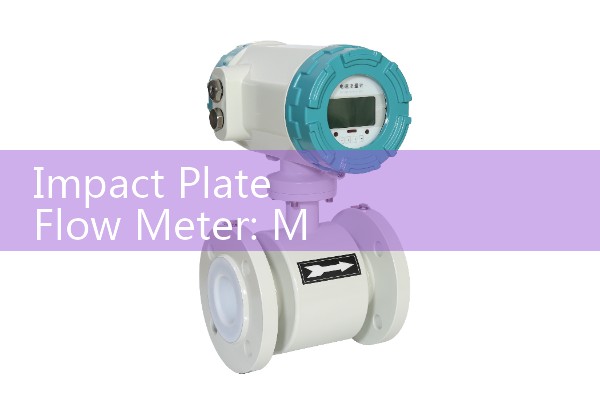
Impact Plate Flow Meter for Continuous Dry Powder Conveying Piping
Quick Answer: An impact plate flow meter gives a gravimetric delivery rate in kg/h or t/h for dry powder moving through conveying pipes. The sensor measures the force of particles hitting a sensing plate, not just the volume of air or screw speed. Silver Instruments supplies IPF series impact plate flow meters for pipe sizes from DN50 to DN300 with 4-20 mA HART output.
How the Impact Plate Works in a Powder Line
Dry powder inside a pneumatic conveying line does not behave like a liquid. It moves in waves and slugs. The impact plate sits inside a measurement spool piece. Particles strike the plate and transfer momentum. That force is proportional to true mass flow. The transmitter converts the force signal into kg/h, t/h, or a 4-20 mA output. Because there are no rotating parts, this meter survives abrasive materials like cement, fly ash, lime, soda ash, and carbon black.
Why Gravimetric Delivery Rate Beats Volumetric Data
Volumetric feeders show screw speed or rotary valve speed. They do not show how much powder actually moved. Bulk density changes with aeration, moisture, and hopper level. An impact plate flow meter gives a direct mass signal. That matters for continuous dosing, furnace injection, flue gas treatment, and recipe control. In one copper smelter in Chile, a lime injection line switched from a rotary valve signal to an impact plate meter. The operators saw short term feed fluctuations that the valve speed alone had hidden.
Installation Details That Matter
Mount the sensor in a straight pipe section. Most dry powder installations need at least 5D upstream and 3D downstream straight run. In horizontal pneumatic conveying, put the meter after the powder pickup point and before the receiving bin. For gravity chutes, the plate angle is set based on product speed and flow rate. The electronics housing must stay dust tight. In explosive dust areas, specify Ex Zone 22 or a suitable ATEX protection. Silver Instruments factory calibrates the spool piece to your pipe size and material type.
Signal Output and Control Loop Integration
The standard output is 4-20 mA HART. Pulse output for totalizing and RS485 Modbus RTU are optional. The signal can drive a PID loop that adjusts a rotary valve, screw feeder, or air slide gate. In a cement plant in Vietnam, the meter signal controls kiln inlet feed rate. The DCS shows t/h and the operator can spot a blocked line or empty hopper faster. Most engineers skip the 0 to 10 V option because HART gives better diagnostics and multidrop wiring.
Accuracy, Calibration, and Where the Meter Fits
Here is the thing. Expect ±1 to ±2 percent of full scale under stable powder flow. After on-site calibration, some cement and fly ash lines reach ±0.5 percent. Material buildup on the plate changes the zer
Typical Dry Powder Applications
Impact plate flow meters appear in dry mortar mixing, cement injection, flue gas desulfurization, flour batching, and carbon black handling. Last year a food ingredients plant in Australia required a flour mass flow meter on a DN80 pneumatic line. The batch recipe needed ±1 percent repeatability. We supplied a Silver Instruments IPF-100 with 4-20 mA HART and a local display. The installation worked because product velocity stayed above 18 m/s. A chemical distributor in Saudi Arabia uses the same meter for soda ash into a neutralization tank. That setup prevents overfeeding and cuts raw material loss.
Requesting a Quote with the Right Data
Do not send only a photo of the pipe. Send pipe size in DN, material type, bulk density in kg/m3, temperature in °C, pressure in bar, and desired flow range in kg/h or t/h. Also state whether the area is classified for dust or gas. Contact Silver Automation Instruments on Tel +86-25-68650347 or WhatsApp +86-25-52155837. You can also reach us on WeChat at +86 15365082610. We will reply with a model recommendation, installation notes, and a price for your dry powder conveying line.
FAQ
What is the typical price of an impact plate flow meter for cement conveying?
Price depends on pipe size, material hardness, output type, and hazardous area rating. A standard DN80 or DN100 model with 4-20 mA HART often costs less than a full belt weigher or a Coriolis solids system. Send your pipe DN and flow range for a firm quote.
Can an impact plate flow meter handle abrasive fly ash?
Yes. The sensing plate should use hardened steel or a ceramic coated plate. Purge air keeps dust off the sensor. You still need routine inspection because fly ash wears metal over time.
Does the meter measure mass flow in vertical and horizontal pipe?
Both are possible. Horizontal pneumatic lines are the most common. Vertical lines need stable material velocity and no heavy slugging. Gravity chute installations use a different plate angle but work well for free flowing powders.
What output signals are available?
Standard is 4-20 mA HART. You can add pulse output for totalizing or RS485 Modbus RTU. Tell us which input your PLC or DCS accepts before we ship the meter.
How do I prevent material buildup on the sensing plate?
Use a non stick plate coating, purge air, or a tapper. Very sticky or hygroscopic powders may need a different flow measurement principle. We can advise after seeing your material data.
 Hot News
 Related AD